DEEN
Contact

Home›Leadership Development

Leadership Development

No off-the-shelf training.
Guided work on what your leadership has to deliver.

The last seminar was nice. Three months later, everything was as before.

Your strategy, real leadership situations and measurable development goals give rise to an architecture that keeps working in everyday business.

Our programs have the character of a workshop and always produce a concrete result for leadership practice: contemporary learning design for experienced leaders and high-potentials, in Germany and internationally.

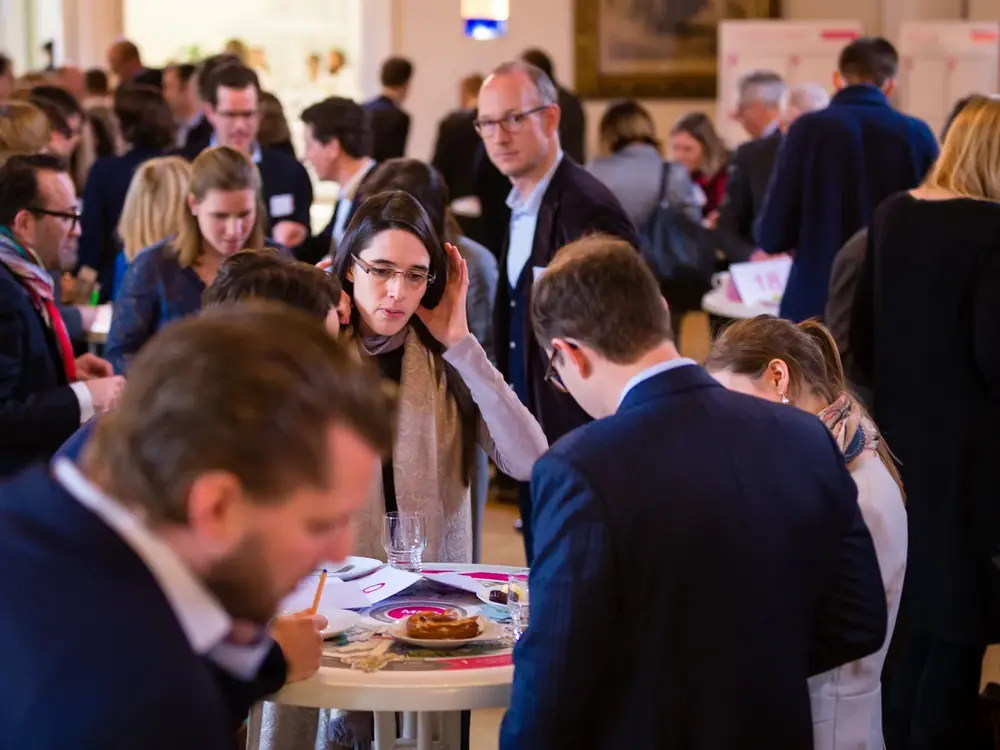
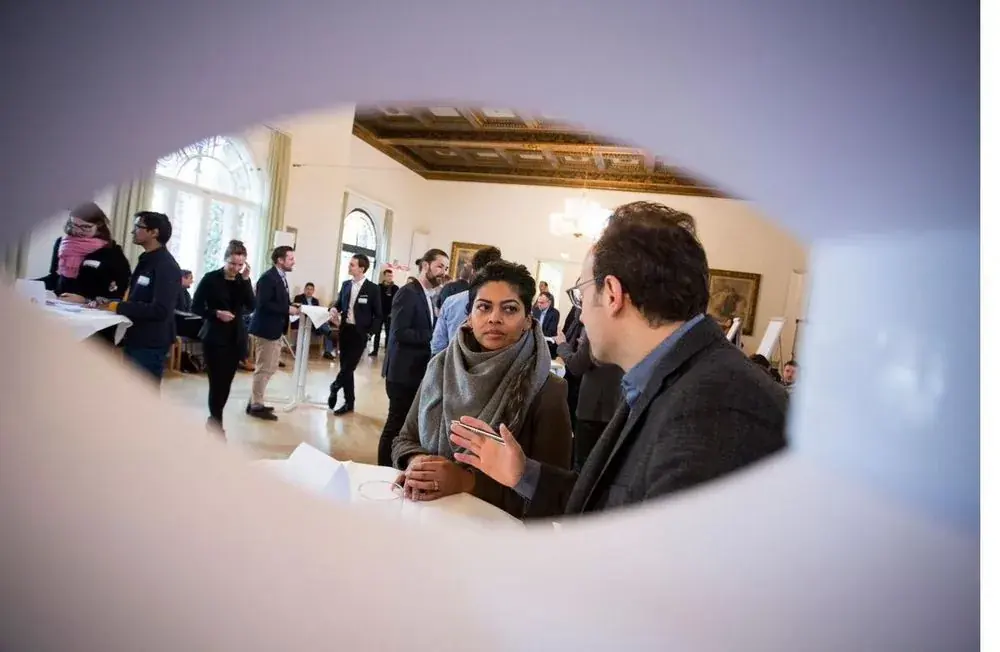
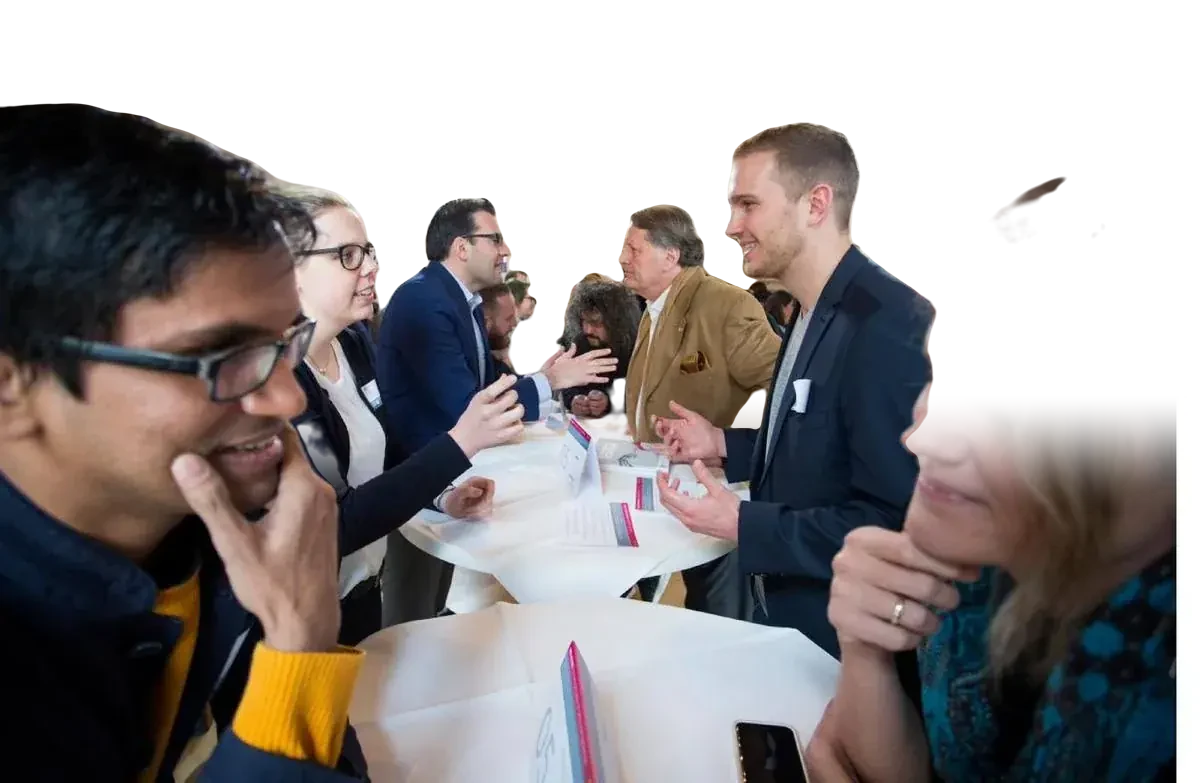
Leaders in conversation at standing tables during an MLI program
Leadership Lab, leadership circle of an industrial company
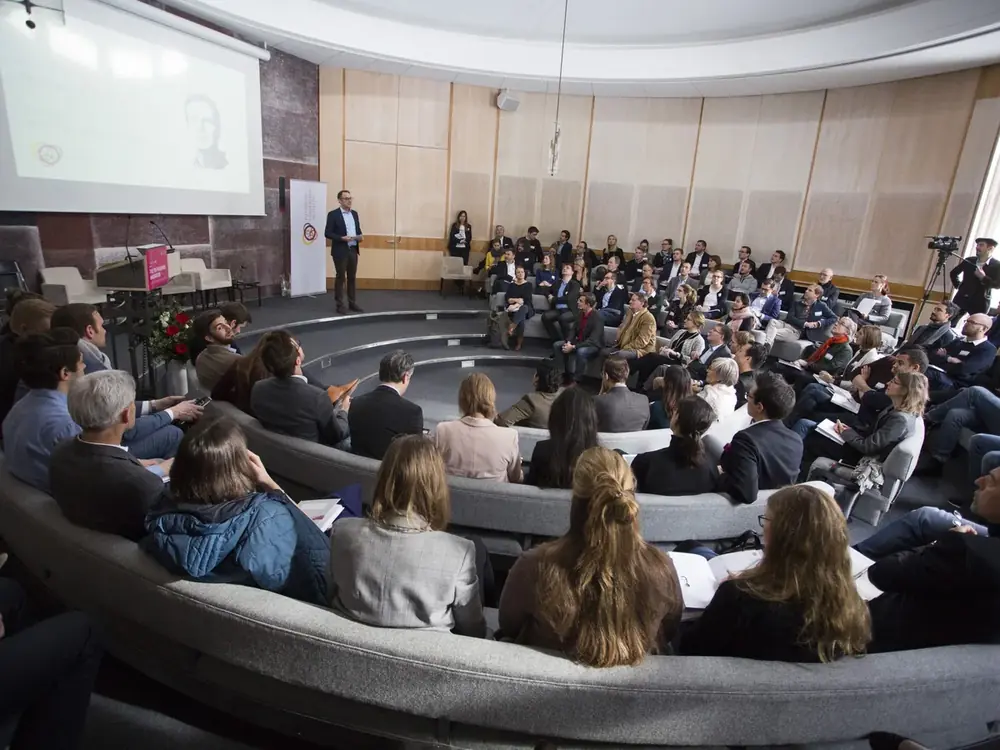
Keynote in front of leaders in the auditorium in Tutzing
Keynote at the Future of Leadership Conference
Participants working at standing tables in the World Café
MLI World Café: perspectives in rotating rounds
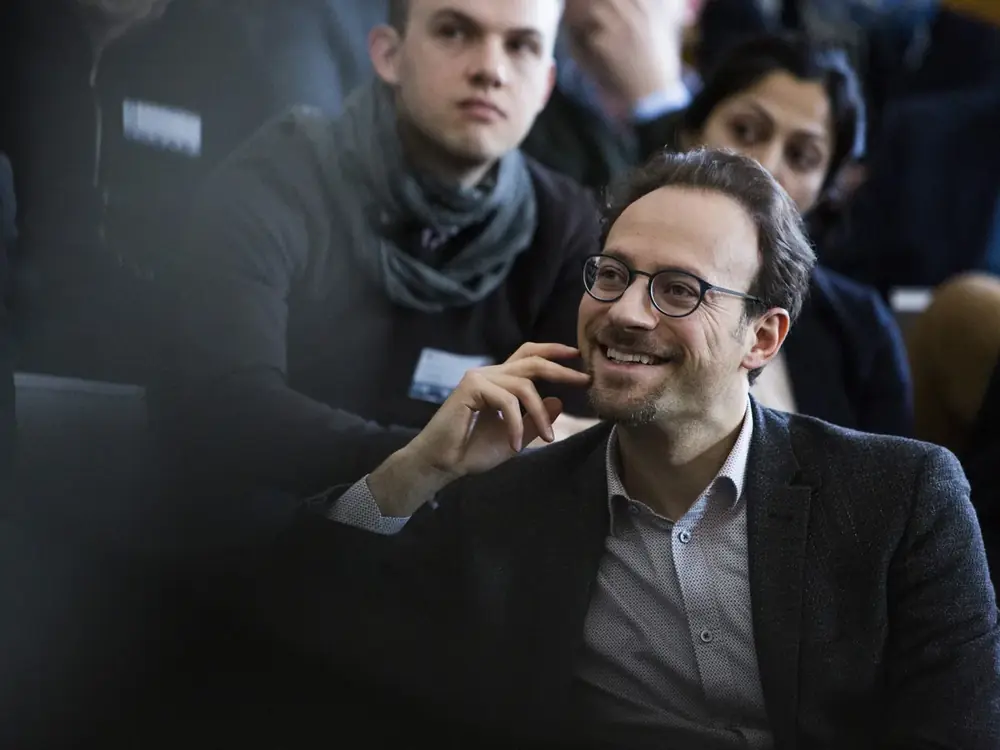
A listener in the audience, focused and attentive
Active listening in a leadership dialogue

The MLI evaluation model

A training serves a concrete purpose, not the spirit of the times.

A development program that changes nothing was wasted time. That is why we measure its lasting impact on three levels — during the event, in everyday work, in the organization. We set the measurement points with you before the program starts; which business metrics count at level three is decided by your organization.

  1. Foundation

    Learning and development goals

    Learning and development goals are agreed before the intervention; participants receive the same questions before and after. The change measures the benefit — the Net Promoter Score measures satisfaction.

    agreed before the intervention

  2. Level 1

    During the event

    Participation, dissent, concentration. The discussion runs between the participants, not toward the stage. Where everyone nods, the topic was too general. At the end, a pulse check and concrete results: agreements, messages, tasks with names attached.

    on the day itself

  3. Level 2

    In everyday work

    Which agreements are still in force four weeks later, and which leadership behavior has changed? Surveyed through a follow-up and through self-assessment and assessment by others in the team.

    after four weeks

  4. Level 3

    In the organization

    How does the training affect the units concerned? Team factors, understanding of the strategy, plus the agreed business metrics. On request, a survey of employees in the units concerned — at the start and after the program, using the same version of the questionnaire.

    before and after

How we work

Three commitments that determine everything else

Relevance before curriculum

Content is derived from the strategy and current challenges, not chosen from a catalog. Whatever does not meet a real question from the participants is cut, even if it is good.

Learning in practice instead of lectures

Inputs are short and serve the work that follows. Most of the time belongs to the participants’ real cases: the difficult message, the blocked project, the conflict in the team. Input, reflection, simulation. Problem-solving.

Results that last

No format ends with a photo record; each ends with concrete results that can be used afterwards: a team mission, a motivating story, a goal framework, a clarification of roles, a leadership rhythm, a list of clear accountabilities.

From assignment to program

Five steps to an effective program

Insights and new topics flow back in01ContextStrategy, target picture02InterviewsTopics and language03Co-creationCases and design04DesignMaterials, staffing05Adjusting courseWhat works, stays

What we work on

Nine leadership goals, and in every phase, one takes center stage

This is not a curriculum but a diagnostic space of possibilities. For each program, we choose the two or three leadership goals that are decisive right now for successfully executing the strategy or change initiatives. Where the focus goes, attention and energy follow.

Strategy with foresightAI TransformationPerformance cultureMoments of truthCreating ownershipUnlocking potentialHigh-performing teamsFocus and resultsInnerClarity

C-level Shaping the future and securing progress

01

Strategy with foresight

How do you recognize relevant developments early and translate them, for your own area of responsibility, into a strategy that makes a real difference?

02

Mastering the AI transformation

How do we make the AI transformation shapeable in human terms and turn technological possibilities into concrete competitive advantages?

03

Focus and results orientation

How do we establish a leadership rhythm that sets clear priorities and reliably produces results?

General leadership topics Creating the conditions for peak performance

07

Developing high-performing teams

How do a shared mission, clear roles and constructive conflict give rise to high-performing teams at every level?

08

Performance culture

How do leaders create an environment in which people collaborate across boundaries and positive momentum emerges?

09

Strengthening inner clarity and resilience

What drives me as a leader, and which principles help me hold my course even under pressure?

Leadership talent Leading people and teams effectively in everyday work

04

Shaping moments of truth

How do I communicate so that messages land, difficult conversations succeed and clarity emerges?

05

Creating ownership

How do I delegate responsibility without losing control, and create commitment to promises and results?

06

Unlocking potential

How do I deploy people according to their strengths and connect their development with their contribution to overall success?

AI does not relieve us of leadership. It relieves us of our excuses.
Sebastian Morgner, in “Führung entwickeln” — Tiefgang, 2026 issue

AI language models can help people in leadership roles prepare for leadership tasks consistently and quickly.

We build the practical use of AI into our programs.

Feedback

What clients say about working with us

MLI is a partner on an equal footing. The collaboration is built on trust, and we do not get a simple standard concept but individual, needs-oriented and creative solutions. They meet with a high level of acceptance throughout the organization. The leadership events are perfect and well thought through, planned down to the last detail and delivered to a high standard.
Sandrina HübnerHead of Corporate Organisation and HR, Swiss Life Deutschland
In working with MLI, our leaders are especially enthusiastic about the good, practice-oriented examples and the speakers so well matched to us.
Christian RaschSole Member of the Executive Board, Badische Staatsbrauerei Rothaus AG

Examples from practice

Two programs, two starting points

Case 01

C-level potentials at a technology group

The assignment: a group of executives meant to take over the top level in two to three years — strong in their fields, but without experience in designing tomorrow’s business and winning an organization over to it.

The interviews revealed three gaps. They became three in-person blocks with online inputs in between:

  1. Strategic thinking and pictures of the future — recognizing trends, putting AI in context, designing a viable vision and making it tellable.
  2. Customer and innovation — understanding customer benefit, testing ideas as prototypes. On site at an AI innovation center.
  3. Self-leadership and change — one’s own levers of success, dealing with uncertainty, the psychology of change.

What existed at the end

  • For each participant, a thesis on the future of their own unit, defended before top management
  • Three prototypes, two of which were pursued further
  • A peer network across national borders that continued after the program ended

Case 02

Activating leaders at a food company

The assignment: to create a shared understanding of the strategy — from each individual’s contribution to the behaviors that matter in everyday leadership.

The analysis phase produced three focal points for a 24-month program:

  1. Communicating the strategy and making it concrete — resolving reservations credibly, clarifying the contribution of one’s own unit, deriving a shared mission for each unit.
  2. Leading and communicating effectively — handling objections, delivering difficult messages, delegating with a focus on results, holding strengths-based conversations.
  3. Self-leadership and change — reflecting on one’s own leadership behavior, strengthening motivation for the role, establishing peer consulting.

What changed

  • Leaders were able to represent the strategic decisions comprehensibly and translate them for their own units
  • Employee engagement rose measurably by almost 20%
  • Role and performance constellations that were no longer viable were consistently resolved

Industry and orders of magnitude altered to protect those involved.

Evidence

What you can measure us by

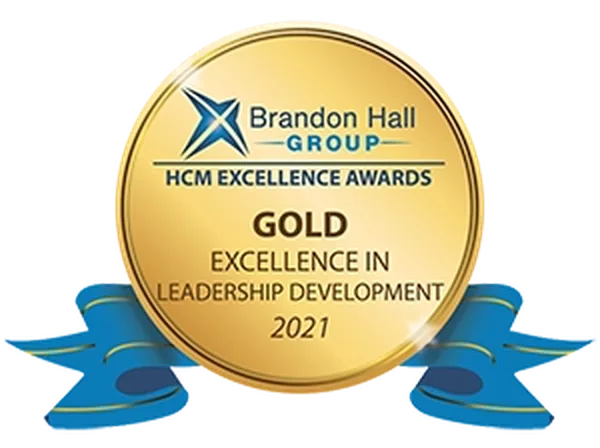
Brandon Hall Group HCM Excellence Award in Gold for Excellence in Leadership Development, 2021

Brandon Hall Excellence Award, Gold

Best global program for business­transformation

The award went to a program we developed and delivered for and with Allianz. Its purpose was to convey the new performance culture through a multilingual, interactive, hybrid development program for more than 4,000 leaders worldwide.

150+leadership teams supported
15,000+leaders strengthened
> 70Net Promoter Score

Internal records, as of August 2026. The Net Promoter Score is collected from all participants after each program. Basis: 62 programs evaluated since 2020, n = 1,420 responses, weighted average across all answers.

The next step

For those responsible for leadership development.

45 minutes of getting to know each other and sparring with Sebastian Morgner. We clarify what your leadership is currently stuck on and which format fits, even if MLI is not the right partner for it.

45 minutes

Personal conversation

A first meeting, an exchange about your needs, not a sales pitch. Choose a time directly in the calendar, with no intermediate step and at no cost.

Choose a time

Five fields

Contact by e-mail

Describe your topic briefly: one or two sentences are enough. We reply within two business days.
Prefer to talk? +49 8807 244446-0

Go to the contact form

PDF · 21 pages

Institute dossier

Methodology, survey instrument, reference architectures, fee models and network profiles — for forwarding internally when an initiative still needs to be justified.

Download the dossier

Questions and answers

What program owners ask us most often.

What is leadership development?

Leadership development is the systematic development of leadership competence in an organization — from the individual leader to entire leadership populations. It comprises programs, workshops, conferences and accompanying coaching. The difference from a training catalog is that content is derived from the strategy and from interviews rather than from an existing offering.

What matters in leadership development?

On relevance. The bottleneck is not knowledge — there are plenty of models and courses. It is the willingness to engage with something in depth. That only arises when participants work on their real cases and when the level above them pulls in the same direction. A program that does not involve the target group’s superiors can create a good feeling in the short term, but it changes nothing about what people experience day to day. Good leadership programs always relate to the strategy and translate its core content and values into lived leadership behavior.

What does an external partner bring?

Three things that are hard to produce internally: an unbiased view of one’s own patterns, comparative knowledge from other organizations and a space in which leaders can speak openly without consequences for their careers. Plus capacity — internal HR development is usually stretched to the limit.

What does the proposal process look like?

It starts with a conversation about the situation, not about formats. We then review the status quo, hold interviews with key people and define a relevant assignment together with the client. Only then does an offer take shape, with modules, staffing and fees. After that we work out practical cases with a core group. From commissioning to the first module usually takes 6–8 weeks.

How is effectiveness measured?

Measuring the effect of our programs matters to us. What form that takes depends strongly on the context and the target group. The measuring points are defined before the program starts. Usually we ask, before and after a program, about the importance and the level of attainment of defined learning goals.

As a rule we survey participants at the end of every format. More important to us, however, is whether the agreements and plans are still being carried out at the follow-up four weeks later. In strategic programs we measure engagement and understanding of the strategy before and after, and in execution programs also the success rate of defined key results.

What forms of leadership development are there?

Leadership development should not be organized around formats but around the purpose of a measure. It can include conferences, workshops, focused learning formats, self-directed learning, coaching and mentoring. MLI develops learning journeys with clients that follow a clear purpose and measurable goals. It has proven useful to combine large-group formats for information and a sense of the mood, workshops for concrete work on leadership topics, and coaching for individual obstacles. Peer case consultation or exchange in trusted teams gives it lasting effect.

Our stance: never training for its own sake. It should always be tied into the company’s strategy.

↑Top